Rediscover the unpolluted sky, with leading experts and cutting-edge technology

Humanity has always gazed at the night sky, seeking to interpret it and understand the physical laws that govern the Universe. Now you have the chance to discover and observe the stars and the Moon from one of the most unique and ideal places to do so.

Tambor del Llano accredited as Starlight accommodation since 2015 and Best Starlight Accommodation Award in 2021.

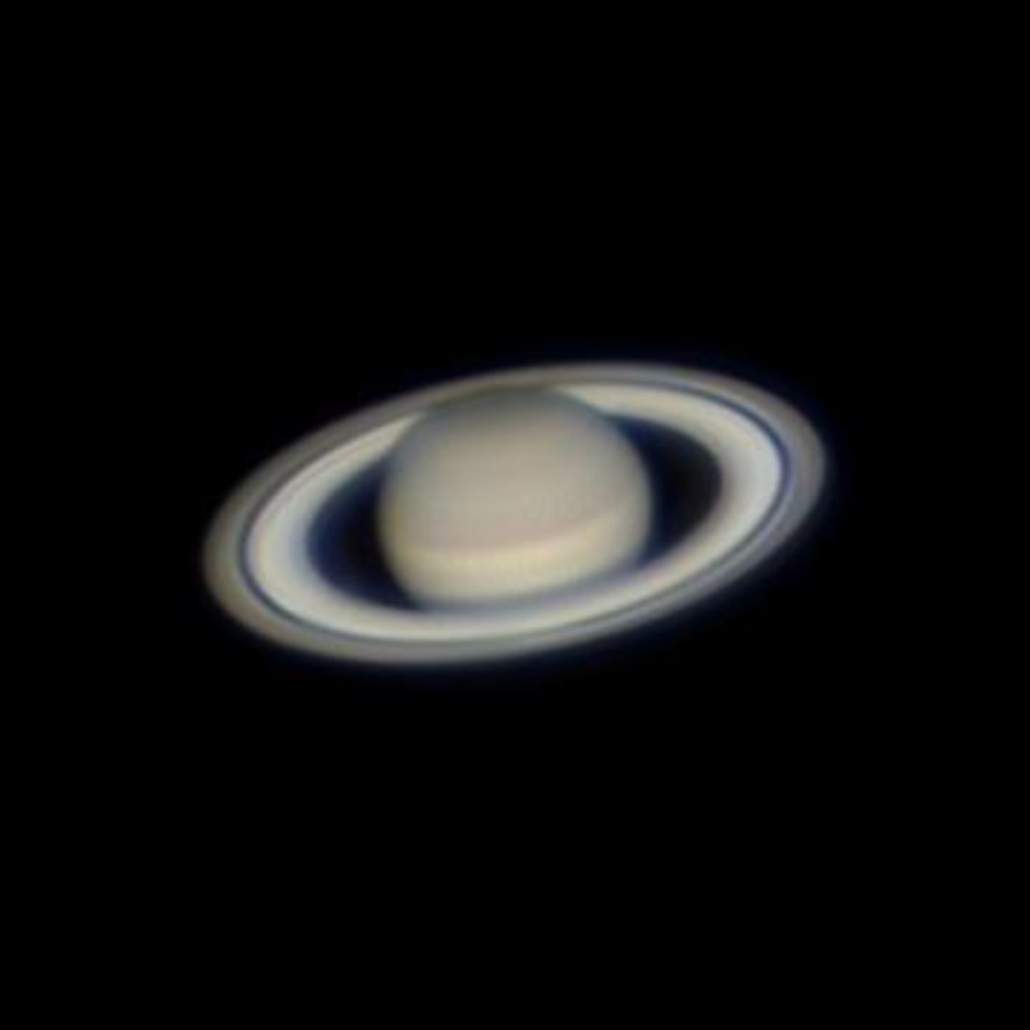
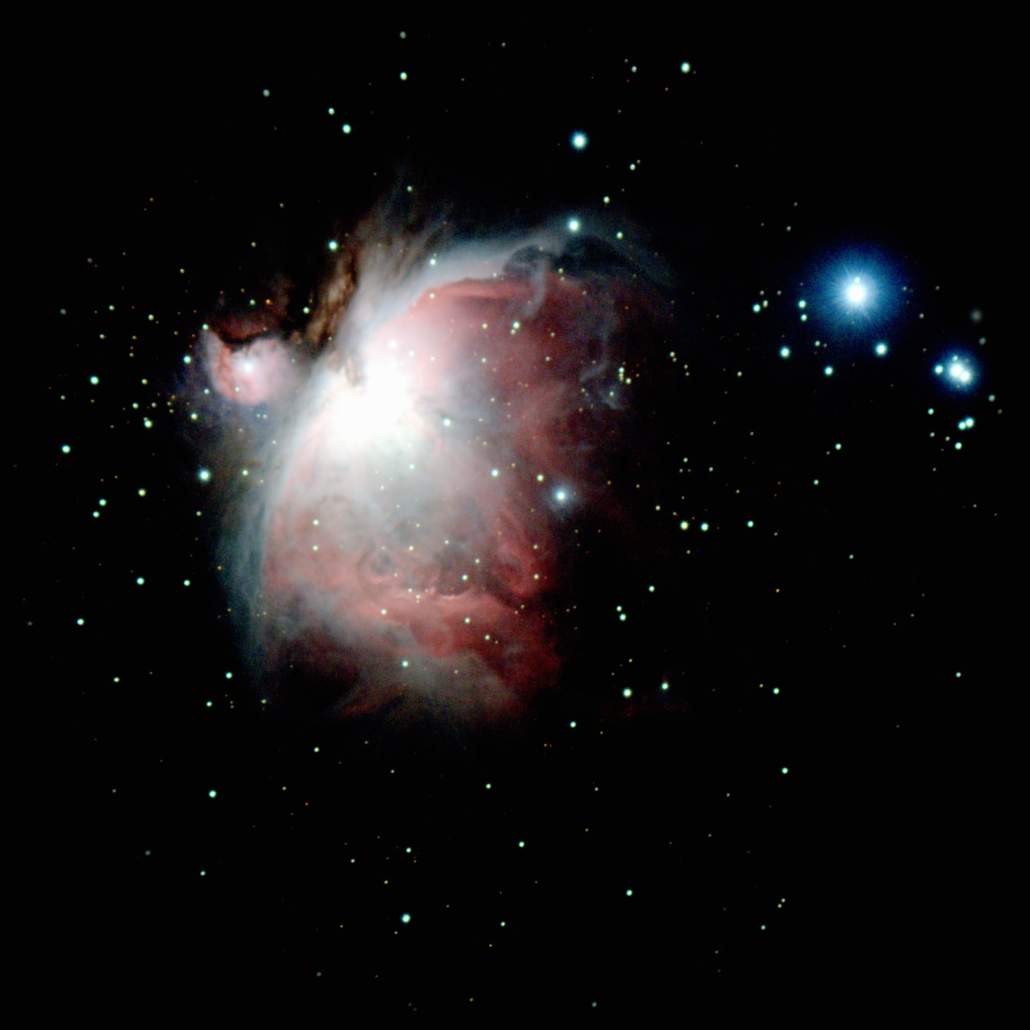
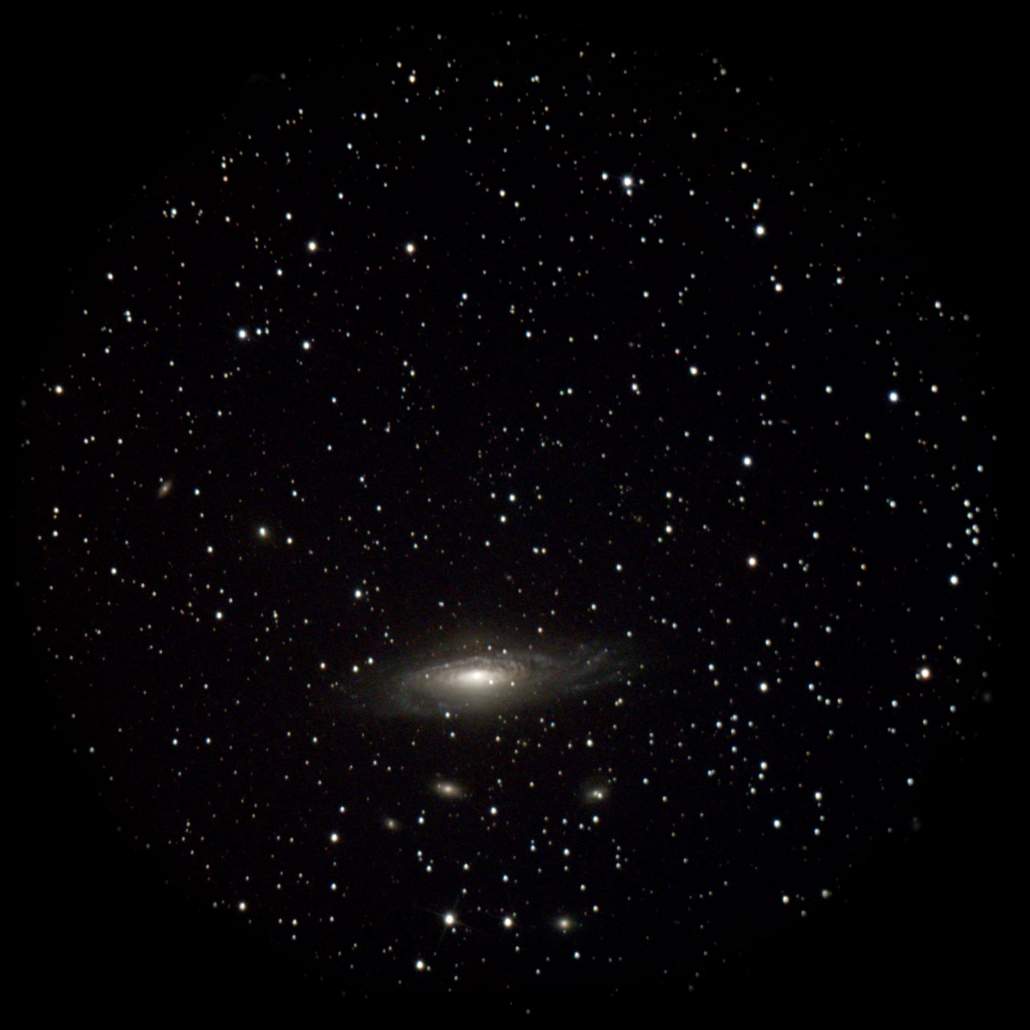
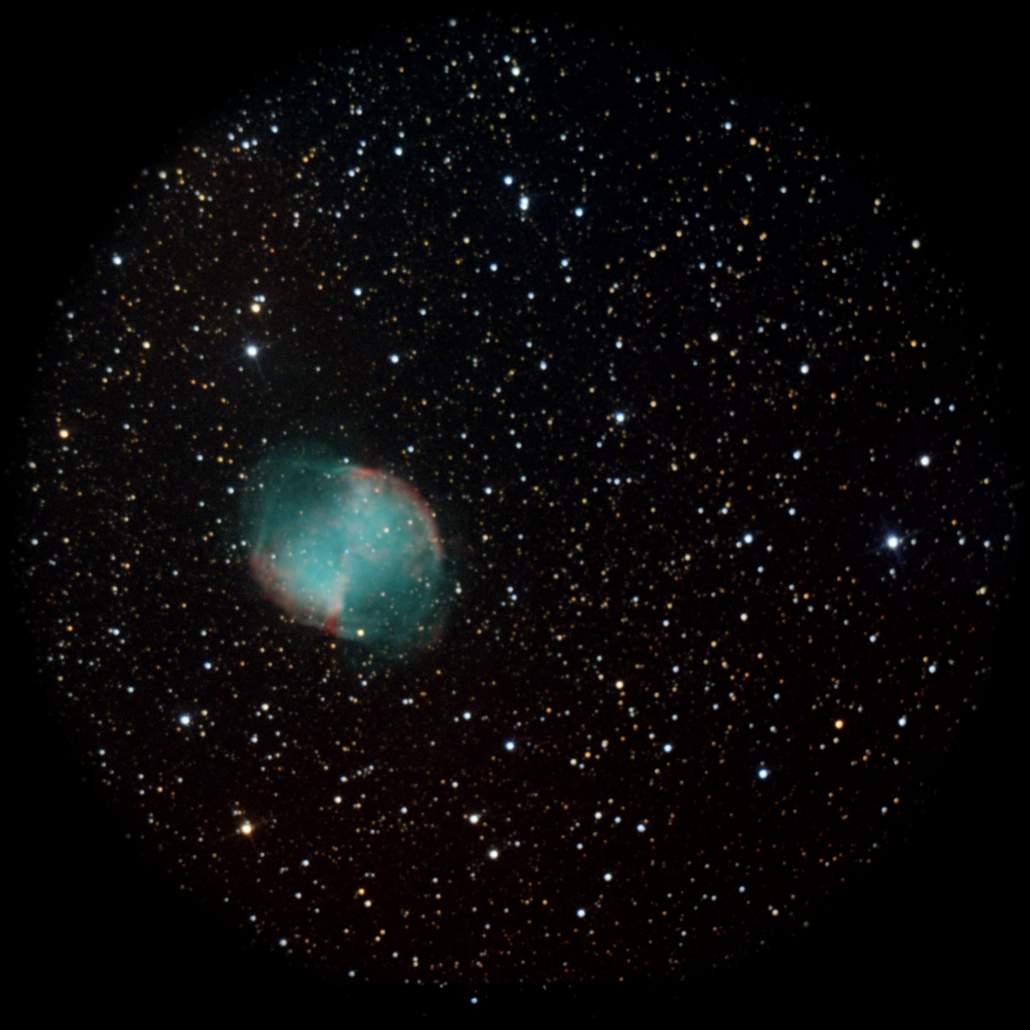
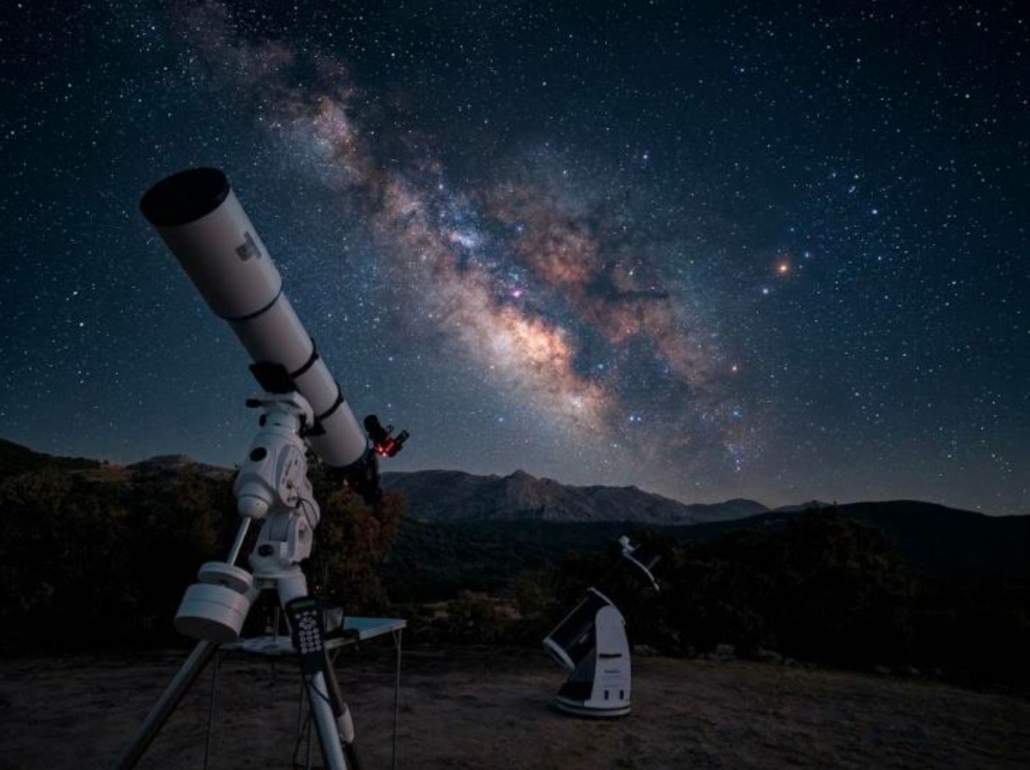
Discover the Moon’s craters, Saturn’s rings, the densest star clusters, the most colourful nebulae, double stars, distant galaxies and even supernovae. With explanations accessible to all levels and two types of experience: moonless nights and moonlit nights.

  • For all audiences.
  • Practical sessions using telescopes, electronic eyepieces and other educational materials
  • Taught by specialist Starlight monitors
  • Duration: 2–4 hours
  • People not staying at our hotel can participate
  • Optional dinner for those not staying overnight.

PEOPLE NOT STAYING AT TAMBOR DEL LLANO CAN PARTICIPATE.

— Price: adults €30, children aged 6 to 12 €15, and free for children under 6
- Optional dinner. Check availability
- Reduced price for customers staying at Tambor del Llano

The activity is subject to weather conditions and a minimum number of participants.
Programme

  • Before dinner there will be a presentation of the activity and we will observe the planet Venus.
  • The celestial sphere moves to our eyes, but what really moves is the Earth, which rotates from west to east. That is why we see the stars or planets appear in the east and hide in the west.
  • A little walk to watch the twilight
  • A sea of stars and the Milky Way overhead
  • To recognise the four cardinal planetary points.
  • The brightest stars
  • Spring, summer, autumn and winter constellations.
  • Celestial objects
  • The planisphere for locating the stars with the naked eye
  • The sky and constellations of the month
  • The stars tell us what the weather conditions are like.

Andromeda, Auriga, Bootes, Canes Venatici, Coma Berenices, Corona Borealis, Cygnus, Hercules, Leo Minor, Lyra, Pegasus, Perseus, Sagitta, Triangulum and Vulpecula.

The Draconid meteor shower is one of the most outstanding showers, occurring in the month of October, although its peak intensity will be between Thursday 8 and Friday 9 October,

On these dates there will also be the passage of comet 21 / P Giacobini-Zinner, from which the Draconids are derived. Shooting stars" are, in fact, generated by debris and dust that burns when it comes into contact with the Earth's atmosphere...

Dates for 2026/27 – Astronomy Nights

— November 2026: 7th, 14th and 28th

— December 2026: 12th and 16th

— January 2027: 2nd, 9th and 16th

— February 2027: 6th and 13th

— March 2027: 6th and 13th

Dates are subject to weather conditions. In the event of bad weather, the activity will be cancelled and the fee will be refunded.